July 28, 2026
A well-planned outdoor area can improve how a property looks, functions, and supports everyday use. The most worthwhile projects do more than add decoration. They solve practical concerns such as poor drainage, worn grass, limited gathering space, difficult foot traffic, or sloped ground that is hard to maintain.
Choosing among possible upgrades requires a clear understanding of the property and the results the owner wants. Experienced landscaper companies often begin by looking at the existing layout, sun exposure, soil conditions, traffic patterns, maintenance expectations, and available space. The following seven ideas can help homeowners and commercial property managers decide where an outdoor investment may provide lasting value.
1. Create a Complete Landscape Design
A coordinated landscape design gives the property a clear structure instead of treating every improvement as an unrelated project. The design can establish where lawn areas, planting beds, hardscapes, and open spaces belong while considering how people move through the property. This planning is useful when a yard has an awkward layout, bare sections, uneven ground, or features that no longer serve the owner's needs.
Grading may be part of the preparation when the land does not direct water appropriately or provide a suitable base for new installations. Correcting the shape of the ground before adding plants, sod, or hardscape features can prevent avoidable problems. Reputable landscaper companies should account for existing conditions before recommending a new layout.
A full redesign does not require filling every portion of the yard. Open lawn, planted areas, and masonry features need enough separation to remain balanced and practical to maintain. A thoughtful plan also allows improvements to be completed in phases without making the property look disconnected.
2. Renew the Lawn With Sod Installation
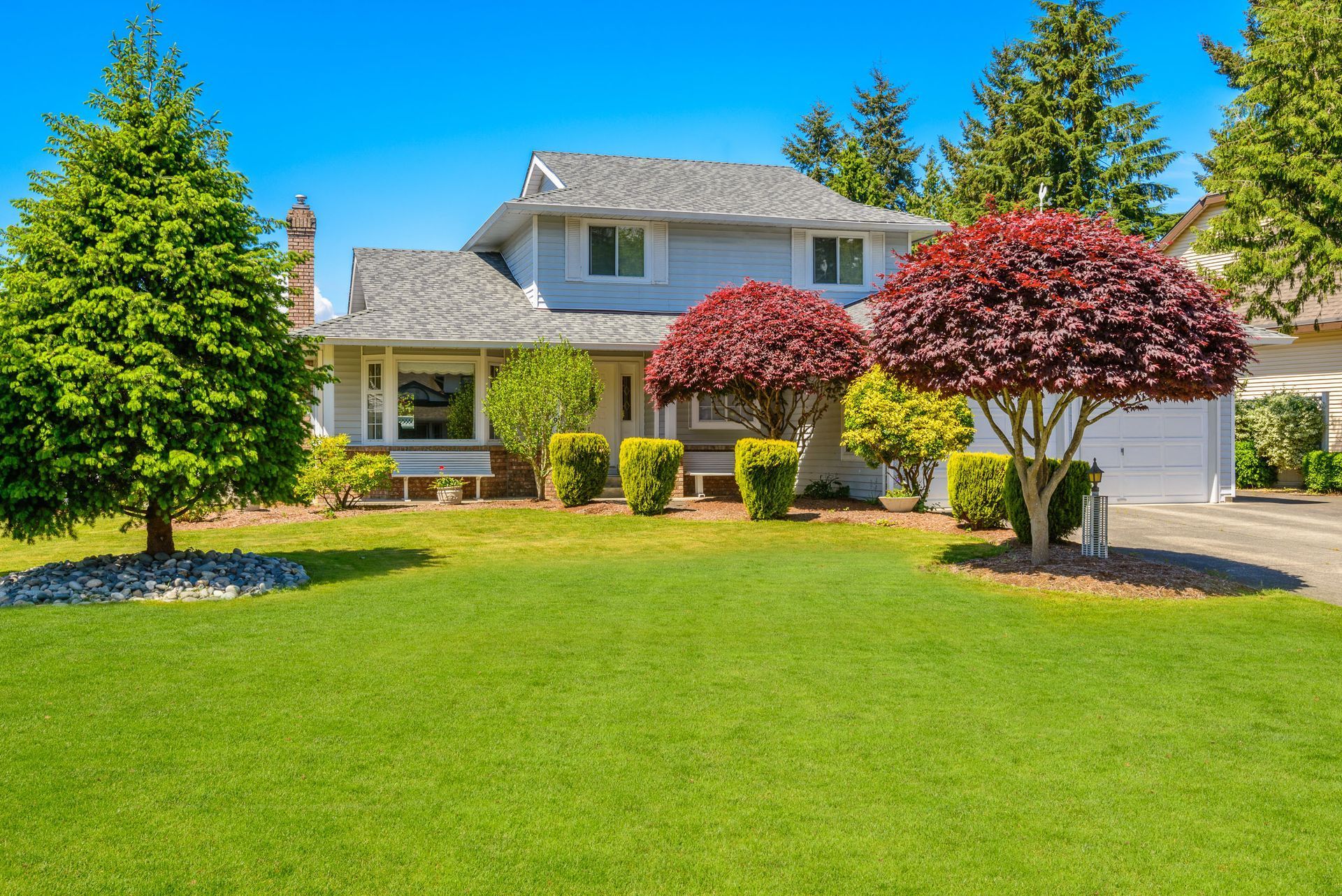
A thin, patchy, or heavily worn lawn can make the entire property appear neglected. Sod installation provides established grass coverage more quickly than waiting for a bare area to fill in gradually. It can be especially useful after construction, lot cleanup, grading, or a larger landscape redesign.
The ground generally needs to be cleared, leveled, and prepared so the sod can make consistent contact with the soil. Watering and early care are also important while the grass becomes established. The investment should therefore include a realistic plan for ongoing lawn care rather than ending once the sod is placed.
Routine mowing and landscape maintenance help protect the renewed lawn. Some landscaper companies support both the initial improvement and the recurring care needed to preserve it.
3. Add Purposeful Planting Areas
Planting beds can introduce color, texture, and definition around a home, commercial building, patio, or walkway. They can soften masonry surfaces and create transitions between the lawn and built features. A successful planting plan should reflect the amount of light, available growing space, seasonal appearance, and level of upkeep the owner is prepared to provide.
According to Gitnux, the residential landscaping segment accounts for about 70% of the total landscaping market in the U.S. That substantial share reflects the importance many homeowners place on outdoor improvements, but planting decisions should still be based on the individual property rather than broad design trends.
Beds can highlight an entrance, frame a gathering space, or improve an underused edge of the yard. Adding too many plants or placing them too closely can make maintenance more difficult as they mature. Professional landscaper companies can organize the planting area as part of a larger landscape design instead of treating it as a collection of isolated additions.
4. Build a Patio for Everyday Use
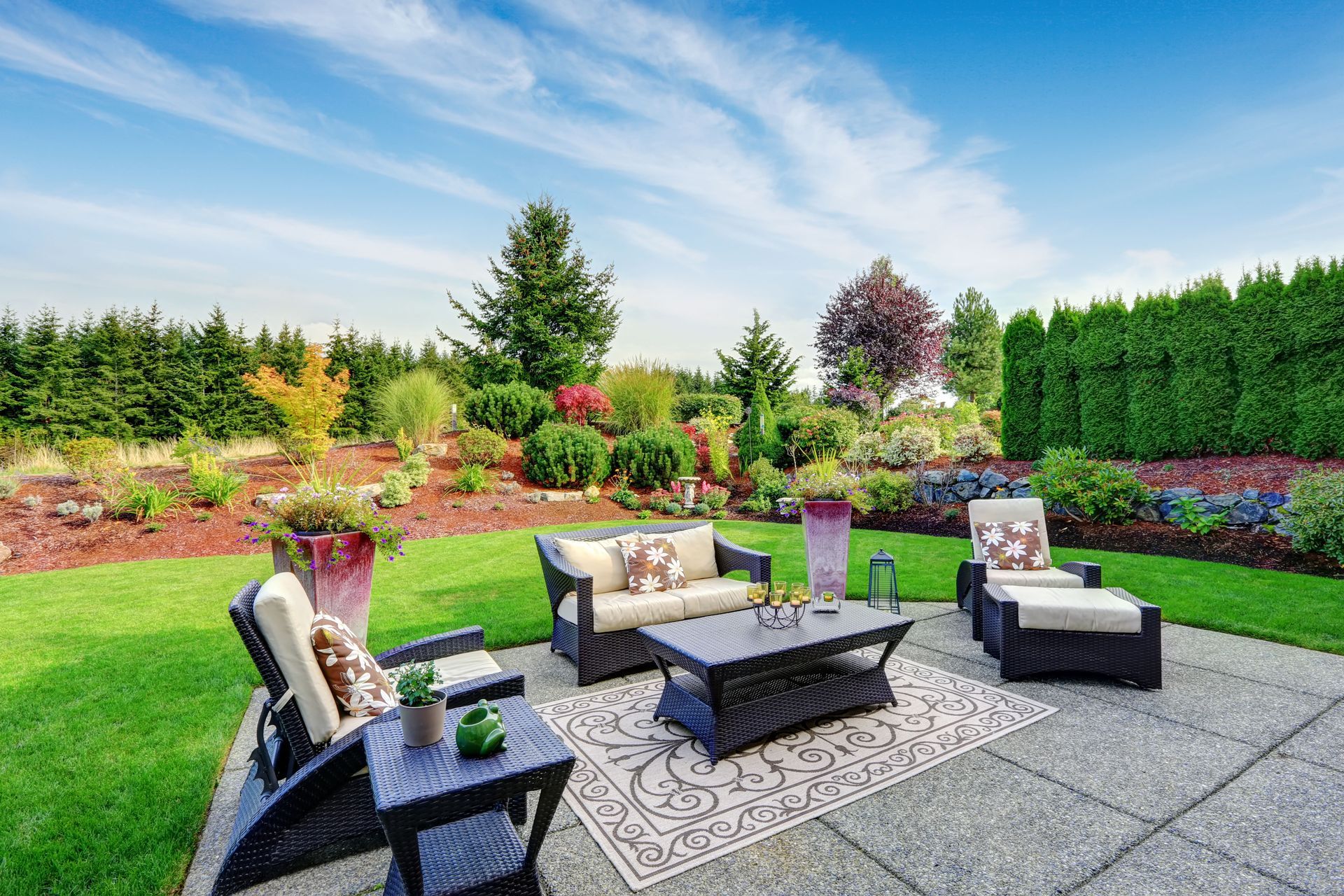
A patio creates a stable surface for outdoor dining, seating, and casual gatherings. It can turn an open section of the yard into a defined living area without requiring grass beneath frequently used furniture. The location should relate naturally to the building, surrounding landscape, and routes people already use.
Bricks and pavers provide options for pattern, shape, and visual character. Material selection should consider the intended use, surrounding architecture, exposure to New England weather, and the amount of traffic the surface will receive. Proper base preparation and installation are essential because settlement or movement can affect usability.
The patio should be sized for realistic needs. Space for furniture, circulation, and nearby landscaping should be considered together. This is one reason established landscaper companies often coordinate patio design with the rest of the property instead of viewing it as a stand-alone surface.
5. Improve Circulation With Walkways
Walkways guide movement between entrances, patios, lawns, parking areas, and other frequently used parts of a property. A defined route can reduce repeated foot traffic across grass and provide a more finished connection between separate landscape and hardscape elements.
A walkway should follow a practical route and offer enough width for its expected use. Bricks or pavers can complement an existing patio or introduce a distinct pattern. Curves may suit some landscapes, while a direct alignment may work better where efficiency and accessibility are priorities.
Site preparation remains important because a walkway must rest on a stable foundation. Its height and edges should relate properly to the surrounding lawn and planted areas. Drainage, grading, or adjacent surfaces may also affect the final route.
6. Manage Sloped Areas With a Retaining Wall
A retaining wall can add structure to a sloped property and create clearer divisions between changes in elevation. It may support a planting area, define the edge of a lawn, or make a difficult section of the yard easier to organize. The project should begin with an evaluation of the slope, soil, surrounding features, and conditions that may affect stability.
Retaining walls are not merely decorative masonry. Their placement, height, base, and construction need to match the demands of the site. Water movement around the wall is also important because trapped pressure can contribute to movement or deterioration.
Owners should avoid treating every slope as a simple do-it-yourself project. Qualified landscaper companies with masonry and retaining-wall experience can determine whether the planned feature fits the property and how it should connect with nearby landscaping, patios, or walkways.
7. Add a Fire Pit Gathering Area
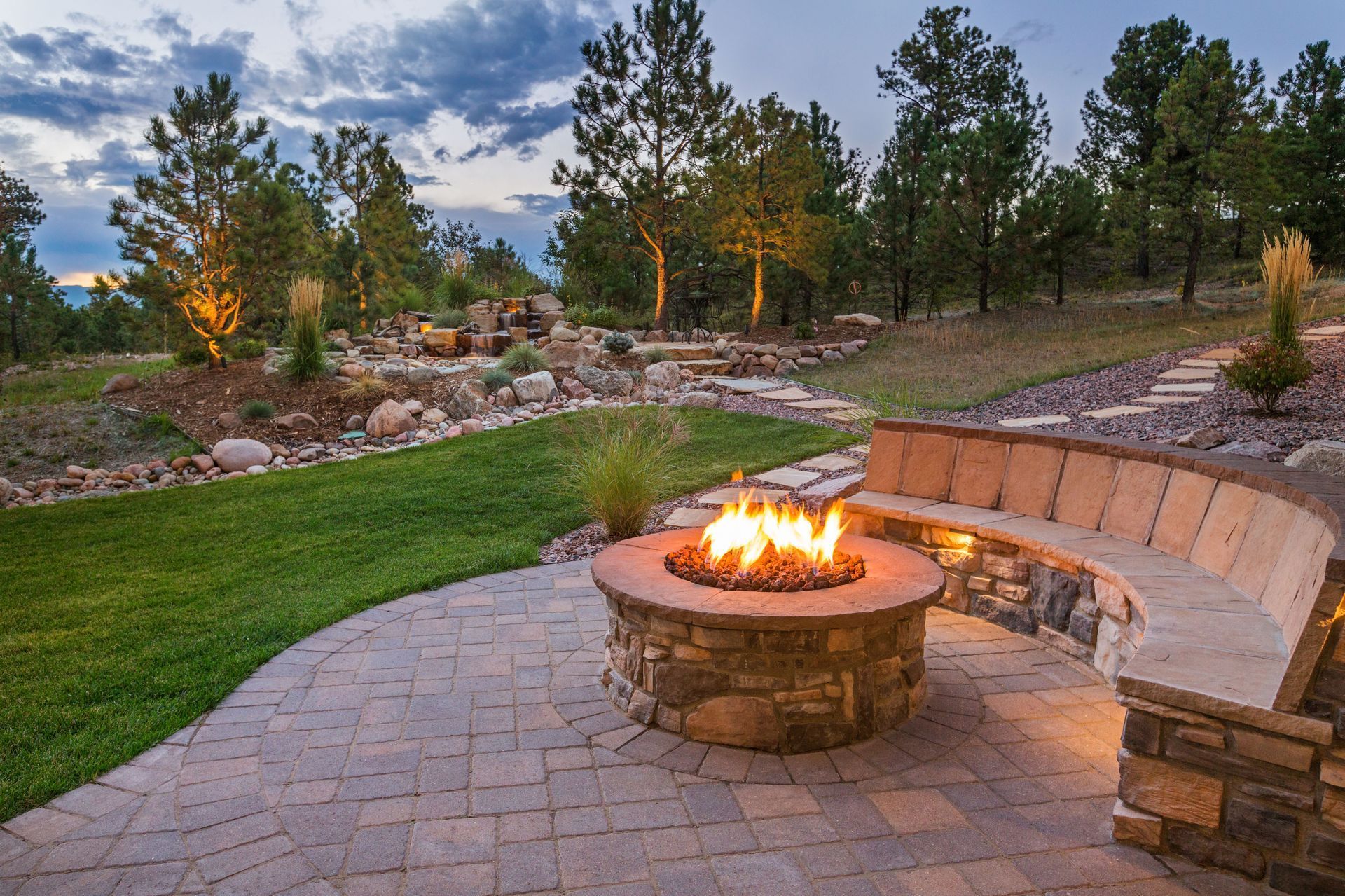
A fire pit can create a focal point and give people a defined place to gather during cooler evenings. The surrounding area may include a patio or paver surface that provides stable seating space and connects the feature to the rest of the landscape.
Location deserves careful attention. The feature should be positioned with adequate separation from buildings, fences, vegetation, and heavily traveled routes. Applicable local requirements and property conditions should be reviewed before installation. Seating arrangements should leave enough room for people to enter, exit, and move around comfortably.
A fire pit works best when it is incorporated into the broader landscape instead of placed wherever an empty section happens to exist. Coordinating the masonry, pavers, walkway, and surrounding lawn can make the gathering area feel intentional and easier to maintain.
New landscaping and hardscaping will perform better when routine upkeep is considered from the beginning. Lawn mowing, landscape maintenance, fall cleanup, leaf removal, storm cleanup, and lot cleaning can keep outdoor areas usable and prevent debris from diminishing the finished appearance. The right project depends on the property's existing condition, the owner's priorities, and how the space will be used. Get in touch with All Star Landscaping & Masonry Service for excellent landscaping services. We look forward to working with you!