June 2, 2026
Choosing between vinyl and wood fencing is one of the most important decisions homeowners face when planning a new boundary system for their property. Both materials offer distinct advantages, but they also differ significantly in terms of durability, maintenance expectations, long-term cost considerations, and overall visual character. A professional landscaper often evaluates not only the immediate installation requirements but also how each material will perform under local weather conditions, soil movement, and long-term exposure to moisture and sunlight. These factors can dramatically influence which fencing option is the most practical fit for a given property.
Vinyl fencing has grown in popularity in recent decades due to its resilience and low maintenance demands. According to Bob Vila, vinyl fencing is commonly expected to remain in good condition for 20 to 30 years, depending on environmental exposure and installation quality. This level of longevity has made it a strong contender for homeowners seeking long-term value without frequent upkeep. Wood fencing, on the other hand, continues to be a preferred choice for those who value natural aesthetics and customization. While it requires more ongoing care, it offers a timeless appearance that many property owners find difficult to replicate with synthetic materials.
Understanding how these materials differ is essential for making an informed decision that aligns with both lifestyle needs and property goals.
Material Composition and Durability Differences
Vinyl Versus Wood Structural Composition
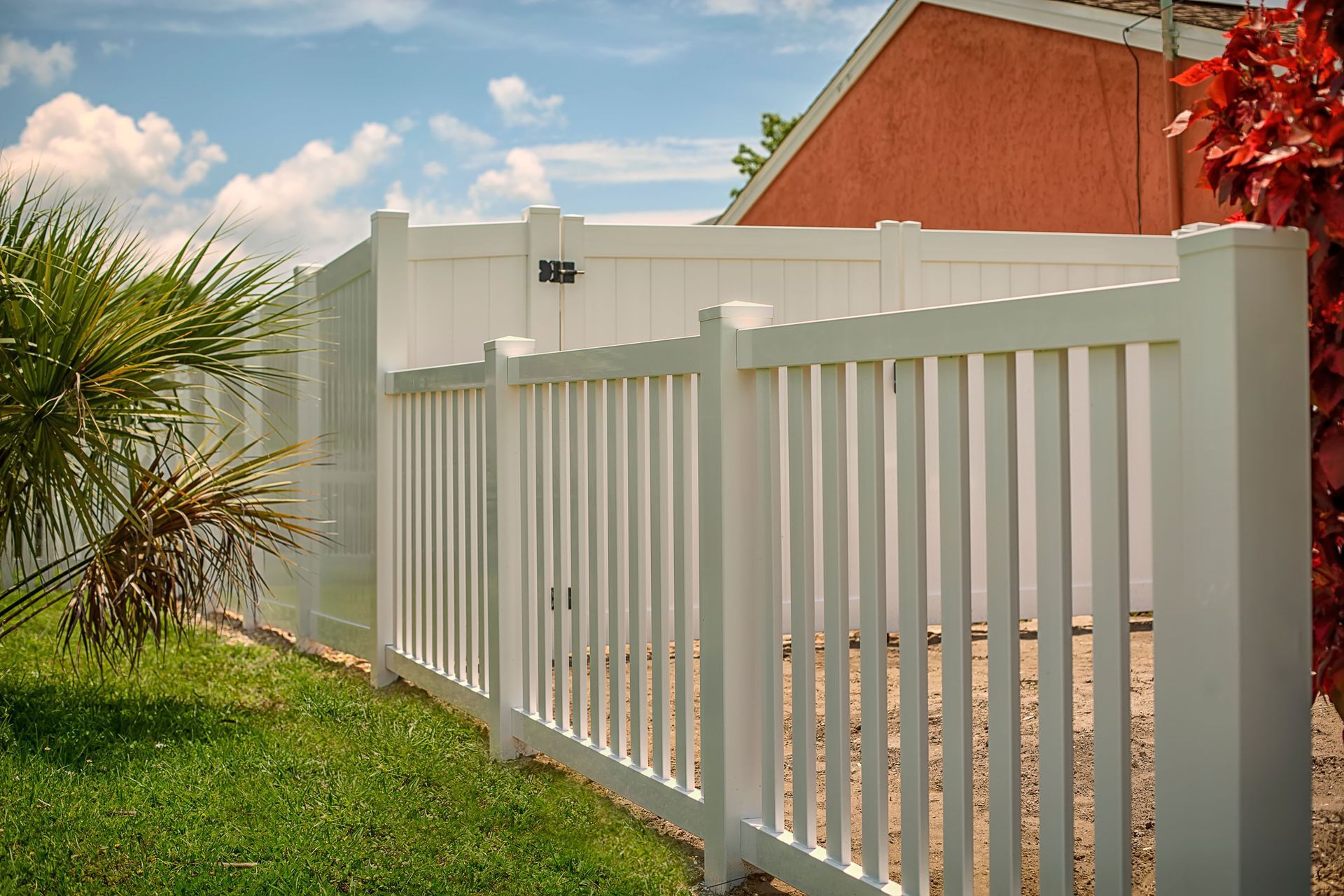
Vinyl and wood fencing differ fundamentally in how they are constructed and how they respond to environmental stress. Vinyl fencing is made from polyvinyl chloride, a synthetic material engineered to resist moisture, insects, and rot. This composition gives it a uniform structure that does not warp or splinter over time. A landscaper company often recommends vinyl for properties exposed to heavy rainfall or fluctuating temperatures because it maintains its shape and color with minimal degradation.
Wood fencing, by contrast, is made from natural timber that retains organic fibers and moisture content. This makes it more susceptible to environmental changes. Over time, wood can expand, contract, and shift depending on humidity levels. While this natural behavior contributes to its aesthetic appeal, it also introduces structural variability that must be managed through regular maintenance.
Environmental Resistance and Lifespan Expectations
Durability is one of the most significant differences between these two materials. Vinyl fencing is highly resistant to moisture, which prevents issues such as rot and mold. It also does not attract termites or other wood-destroying insects. According to Bob Vila, vinyl fencing typically lasts between 20 and 30 years when properly installed and maintained, making it a long-lasting solution for many residential applications.
Wood fencing, however, has a more variable lifespan depending on the type of wood used and the level of maintenance it receives. Cedar and pressure-treated pine are among the more durable options, but even these require sealing, staining, or painting to maintain structural integrity. A landscaper company will often assess site-specific conditions before recommending wood, particularly in areas where moisture exposure is high or ground contact is unavoidable.
Structural Stability Over Time
Long-term stability is another critical point of comparison. Vinyl fencing maintains consistent structural integrity because it does not absorb water or degrade under UV exposure at the same rate as organic materials. This stability reduces the likelihood of leaning posts or broken panels over time.
Wood fencing, however, can gradually lose structural strength if not properly maintained. Exposure to rain, sun, and freezing temperatures can cause cracking or splitting. Over time, even well-maintained wood fences may require partial replacement of boards or posts. Landscapers typically consider these long-term maintenance cycles when advising clients on material selection, especially for larger properties where replacement costs can accumulate.
Maintenance Costs and Long-Term Performance
Ongoing Care Requirements
Maintenance is one of the most decisive factors when comparing vinyl and wood fencing. Vinyl fencing is widely recognized for its low maintenance demands. It typically requires only occasional washing with soap and water to remove dirt or mildew buildup. Its non-porous surface prevents stains from penetrating, which helps maintain its appearance with minimal effort.
Wood fencing requires a significantly higher level of upkeep. It must be regularly inspected for signs of decay, insect damage, and moisture absorption. In many cases, it also needs periodic sealing or staining to preserve both appearance and structural integrity. A landscaper company frequently advises homeowners to factor in these recurring maintenance tasks when evaluating long-term costs.
Cost Implications Over Time
Initial installation costs for wood fencing are often lower than vinyl, which can make it appealing at first glance. However, long-term expenses can accumulate due to maintenance, repairs, and eventual replacement of damaged sections. Paint, stain, and sealant costs also contribute to the ongoing financial commitment required to maintain wood fencing.
Vinyl fencing typically has a higher upfront cost, but its long-term maintenance expenses are significantly lower. Because it does not require painting or sealing, homeowners avoid many recurring material and labor costs. A landscaper company often highlights this trade-off when helping clients compare lifecycle costs rather than focusing solely on initial installation pricing.
Weather Exposure and Maintenance Frequency
Weather exposure plays a major role in how often maintenance is required. Wood fencing in regions with high humidity or frequent precipitation tends to require more frequent treatment to prevent rot and mold growth. Even in dry climates, UV exposure can cause fading and surface degradation.
Vinyl fencing is more resilient under varied weather conditions. It does not absorb moisture and is less affected by temperature fluctuations. While extreme weather events can still cause physical damage, routine maintenance is minimal compared to wood. Many homeowners consult a landscaper company specifically to evaluate how local climate conditions may influence long-term maintenance expectations.
Aesthetic Value, Property Impact, and Installation Considerations
Visual Appeal and Design Flexibility
Aesthetic preference is often the deciding factor for many property owners. Wood fencing offers a natural, traditional appearance that blends seamlessly with landscaped environments. It can be stained or painted in a wide range of colors, allowing for significant customization. This flexibility makes it especially attractive for homeowners seeking a rustic or classic look.
Vinyl fencing provides a cleaner and more uniform appearance. It is available in various styles, including designs that mimic the look of painted wood. However, it does not offer the same level of customization as natural wood. A landscaper company often helps clients weigh whether the consistency of vinyl or the variability of wood better complements their overall landscape design.
Property Value and Curb Appeal Considerations
Both vinyl and wood fencing can enhance property value, but they do so in different ways. Wood fencing often contributes to a warm, natural aesthetic that can appeal to buyers who prioritize traditional landscaping. Its visual charm can create a strong first impression when well-maintained.
Vinyl fencing contributes value through its perceived durability and low maintenance requirements. Prospective buyers often appreciate the reduced upkeep burden associated with vinyl installations. A landscaper company may recommend vinyl for homeowners focused on long-term resale appeal in markets where practicality and efficiency are highly valued.
Installation Process and Long-Term Reliability
Installation complexity also differs between the two materials. Vinyl fencing requires precise installation to ensure proper alignment and structural stability, particularly because panels are often fabricated prior to installation. Once installed correctly, it provides a highly stable and consistent barrier system.
Wood fencing installation allows for more on-site flexibility, as boards can be adjusted and customized during construction. However, it also requires careful attention to prevent future warping or shifting. A landscaper company typically evaluates soil conditions, slope, and drainage patterns before determining the most suitable installation method for either material.
Vinyl and wood fencing each offer distinct advantages that cater to different homeowner priorities. Vinyl provides long-term durability, low maintenance demands, and consistent structural integrity over time. Wood delivers natural beauty, customization potential, and a classic aesthetic that many property owners continue to value.
By understanding the differences in composition, maintenance requirements, and aesthetic impact, property owners can select a fencing solution that not only enhances curb appeal but also supports long-term functionality and value. For more expert advice on both vinyl and wood fences, reach out to All Star Landscaping & Masonry Service!